On 19 March 2026, Russia’s Ministry of Emergency Situations (EMERCOM) conducted a strategic humanitarian airlift to Mozambique, delivering vital aid to communities affected by widespread flooding. The operation reflects Russia’s growing emphasis on rapid-response humanitarian missions using government-operated transport aircraft and highlights the strategic utility of its airlift capabilities.
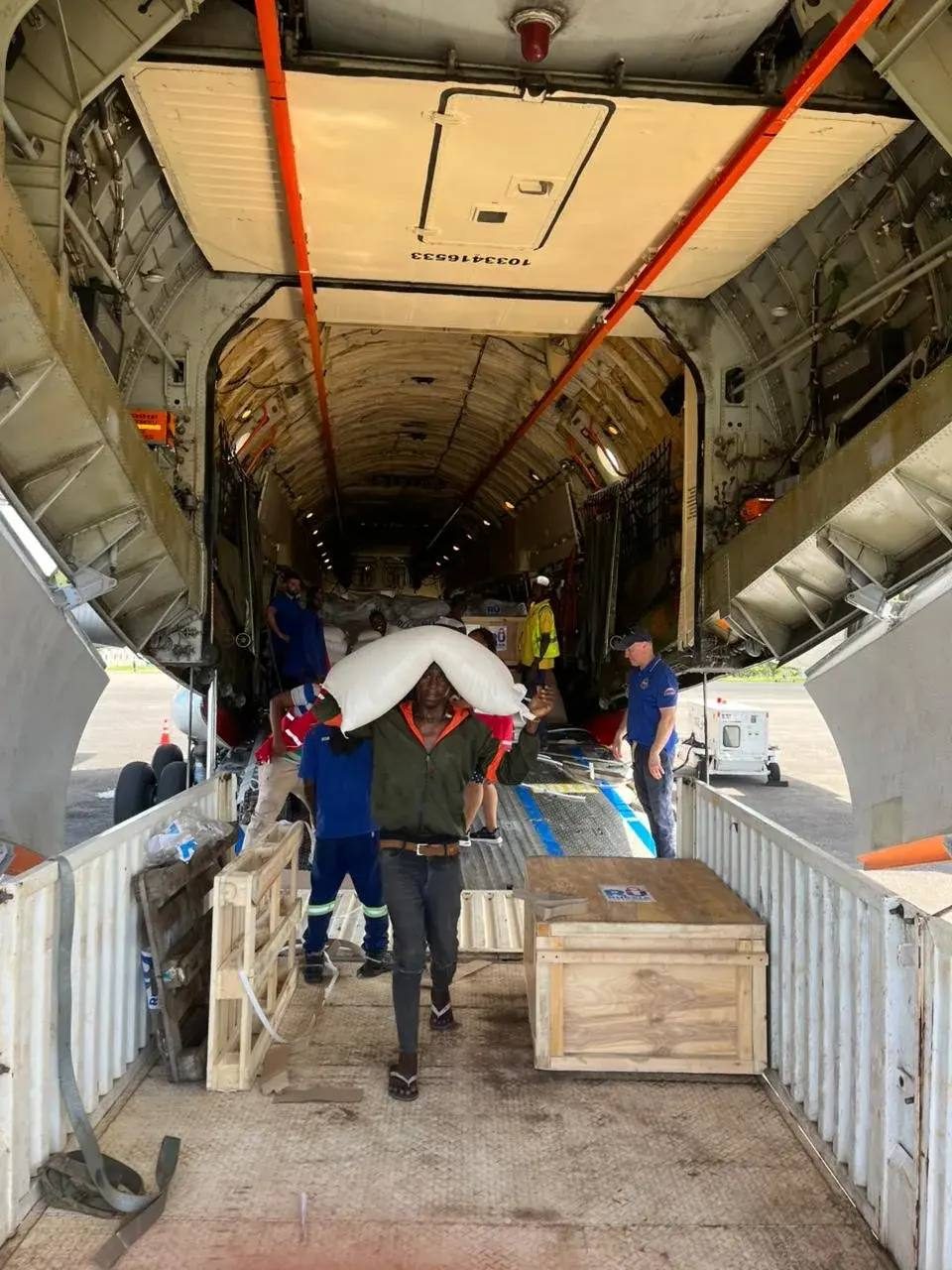
The mission, executed under the directives of President Vladimir Putin and EMERCOM Head Alexander Kurenkov, transported approximately 29 tonnes of humanitarian cargo from Moscow. An Il-76 heavy transport aircraft carried food, essential supplies as well as tents and blankets, providing immediate relief to vulnerable populations in the African republic.
The use of the Il-76 illustrates the versatility of Russia’s strategic airlift fleet. Traditionally deployed for military logistics and strategic mobility, these aircraft are also capable of delivering large quantities of aid over long distances, allowing for rapid response in remote or disaster-affected regions. The EMERCOM operation demonstrates how such assets can serve dual purposes—supporting both national and international humanitarian objectives.
Mozambique has faced repeated natural disasters in recent years, with heavy rains and cyclones frequently displacing thousands of residents. International aid efforts including airlifted supplies play a crucial role in stabilising affected communities, preventing disease outbreaks and providing temporary shelter while recovery efforts are underway.
The humanitarian delivery also highlights the coordination between national government authorities and EMERCOM, underscoring the importance of organised disaster response frameworks. From planning to execution, the operation required logistical expertise, careful cargo loading and secure routing to ensure that relief supplies reached the most affected areas quickly and efficiently.
Beyond immediate relief, missions like this serve as a demonstration of Russia’s capacity for global humanitarian engagement, reinforcing the strategic relevance of its transport fleet and emergency response infrastructure. As climate-related disasters continue to affect nations worldwide, the ability to rapidly mobilise and deliver aid will remain a critical component of both national and international crisis management.